
By Jon Sneider, Owner of Jon Sneider Lawn Care & Tree Service
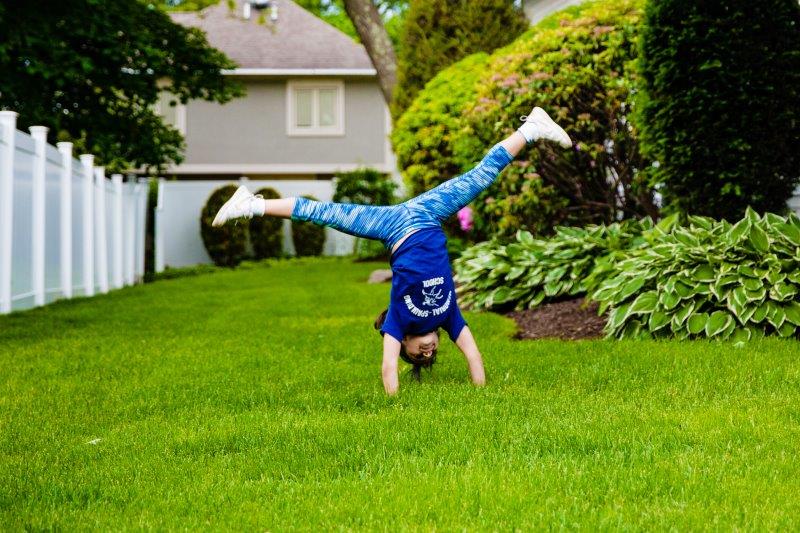
For families, a backyard has a pretty demanding job. It is a soccer field, playground, picnic spot, dog run, outdoor dining room, and sometimes the only place everyone can burn off some energy before dinner. That means creating a healthier backyard is about much more than getting the grass perfectly green. The goal is to create an outdoor space that can stand up to real family life while being comfortable, resilient, and thoughtfully maintained. The good news is that a healthier yard does not necessarily require more work. In many cases, a few changes to the way you mow, water, manage weeds, and think about pests can make a noticeable difference.
Start With the Health of the Lawn
A thick, established lawn is not just about appearances. Grass that is growing well is better able to handle running kids, backyard games, pets, heat, and normal seasonal stress.One of the most common mistakes I see is mowing too short. It may seem convenient because you can wait longer between mowings, but cutting grass very low can stress it and reduce the amount of leaf surface available for photosynthesis. Taller grass can support stronger roots, retain moisture better, and compete more effectively with weeds.
For most lawns in our area, there is no need to give the grass a close shave every week. Keep it at an appropriate height for the grass type and avoid removing more than about one-third of the blade at a time.Sharp mower blades matter, too. Instead of tearing the grass, a sharp blade makes a cleaner cut and puts less stress on the lawn. For a family backyard, think strong and resilient rather than golf-course short.
Water Less Often, but More Effectively
Frequent, shallow watering can encourage shallow roots. A better approach for an established lawn is generally to water more deeply and less frequently, adjusting for rainfall, temperature, soil conditions, and any local watering restrictions. The easiest mistake to make is watering automatically without checking whether the lawn actually needs it.
Before turning on the sprinkler, look at the weather. Check the soil. Pay attention to whether the lawn is showing signs of drought stress. This is especially important in Massachusetts, where one week can bring plenty of rain and the next can be hot and dry. A watering routine that ignores the weather can mean unnecessary water use and may not be what your grass needs.
Give the Backyard a Little Breathing Room
Compacted soil is common in yards where kids and pets follow the same paths every day. You may notice thinning grass near a swing set, along the route to the back door, or in the dog’s favorite section of the yard. That does not mean the entire lawn is failing. Sometimes it simply means that a heavily used area needs a different approach.
Aeration can help relieve soil compaction in appropriate lawns and improve the movement of air, water, and nutrients into the soil. Overseeding thin areas can also help restore turf instead of allowing bare spots to expand. You can also work with the way your family actually uses the yard. If everyone cuts across the same corner, consider whether that spot would be better as a path rather than repeatedly trying to grow grass there. A family-friendly backyard should work for your family, not fight against it.
Be Thoughtful About Lawn and Pest Products
Parents and pet owners are understandably interested in what is being used in their yards. Whether you handle lawn care yourself or hire a professional, know what is being applied and why. More product is not automatically better, and neither is treating a problem that has not been properly identified. If pesticides are used, follow the product label carefully. Children, pets, and their toys should be kept away from an area during application and for the amount of time specified on the product label. This is also where targeted lawn care matters. A lawn should be evaluated based on what it actually needs rather than automatically treating every possible problem.
If you work with a lawn care company, ask questions. What is being applied? What problem is it addressing? Are there precautions you should take afterward? When can children and pets return to the treated area? Those are reasonable questions, and you should receive clear answers.
Make the Yard Less Inviting to Ticks
Ticks are an important concern for families throughout Massachusetts, but lawn treatments are only one part of reducing exposure. Start with the yard itself. Keep grass maintained, remove accumulated leaf litter, and clear tall grasses and brush around the parts of the yard your family uses most. Pay particular attention to the transition between the lawn and wooded or brushy areas.
The CDC also recommends creating separation between recreational areas and tick habitat. That can include a border of wood chips or gravel between the lawn and a wooded edge and placing play equipment, decks, and patios away from brushy or wooded areas when possible. Then make tick checks part of the routine after outdoor play. That includes checking children as well as pets. No backyard can be guaranteed to be tick-free, so combining smart landscaping with personal prevention is the more realistic approach.
Do Not Try to Fix Every Weed
A healthier backyard does not have to be completely weed-free.In fact, trying to eliminate every single unwanted plant can lead homeowners into a cycle of constantly treating the lawn when the underlying problem may be thin turf, compacted soil, improper mowing, or another condition that is giving weeds an opportunity to grow. Instead, ask why the weeds are there. A few weeds can be removed by hand. Persistent or widespread weeds may indicate that something else about the lawn needs attention. Improving the health and density of the grass can make the lawn more competitive over time.The goal should be a strong lawn, not an unrealistic standard of perfection.
Pay Attention to Trees and Shrubs, Too
When we talk about creating a healthy backyard, the lawn tends to get all the attention. But trees and shrubs have a major impact on how a family uses the space. Healthy trees provide shade on hot summer days. Shrubs can create privacy, define play areas, and make a yard feel more inviting. Take a walk around the property every so often and really look at them. Are branches damaged? Are leaves changing color unexpectedly? Is one shrub declining while the others around it look healthy?
Catching a problem early is usually better than waiting until a tree or shrub is in serious decline.It is also worth remembering that the different parts of a landscape affect one another. Heavy shade influences the grass growing underneath a tree. Tree roots compete for water. Poor drainage can affect both turf and plantings. A backyard works as a system.
Create a Backyard Your Family Will Actually Use
It is easy to become focused on how a yard looks from the street, but the better question for families is how the yard feels when you are actually in it. Is there enough shade to sit outside comfortably? Can the kids run across the grass without constantly finding muddy or bare areas? Does the dog have a place to play? Are the areas around patios, play structures, and wooded edges being maintained thoughtfully? A beautiful backyard is great. A beautiful backyard that everyone actually wants to use is better.
For most families, creating that kind of space does not come from chasing a perfectly green lawn. It comes from building healthier grass, using water wisely, paying attention to heavily used areas, managing pests thoughtfully, and understanding what is happening throughout the landscape. Then comes the most important part: get outside and enjoy it
About Jon Sneider
Jon Sneider was born and raised in Newton, where he now lives with his wife and their two daughters. As the owner of Jon Sneider Lawn Care & Tree Service, Jon has spent more than 30 years caring for lawns, trees, and landscapes throughout Newton, Wellesley, Needham, and beyond. His work is rooted in the same community where he grew up and is now raising his own family. You can learn more about Jon Sneider Lawn Care and Tree Service click here or call (617) 461-3842. Follow along on instagram @jonsneiderlawn.